The Complete Guide to E-Waste Recycling: Why It's Important and How to Begin
E-waste recycling stands as a vital but commonly disregarded element of modern environmental responsibility. As technology advances at a remarkable pace, countless tons of electronic waste build up annually, creating substantial environmental hazards. Understanding the nuances of e-waste disposal can empower individuals to make informed choices. This guide not only presents practical recycling strategies but also investigates the far-reaching impacts on the environment and economic landscape. The path to accountable e-waste management starts with several key actions.
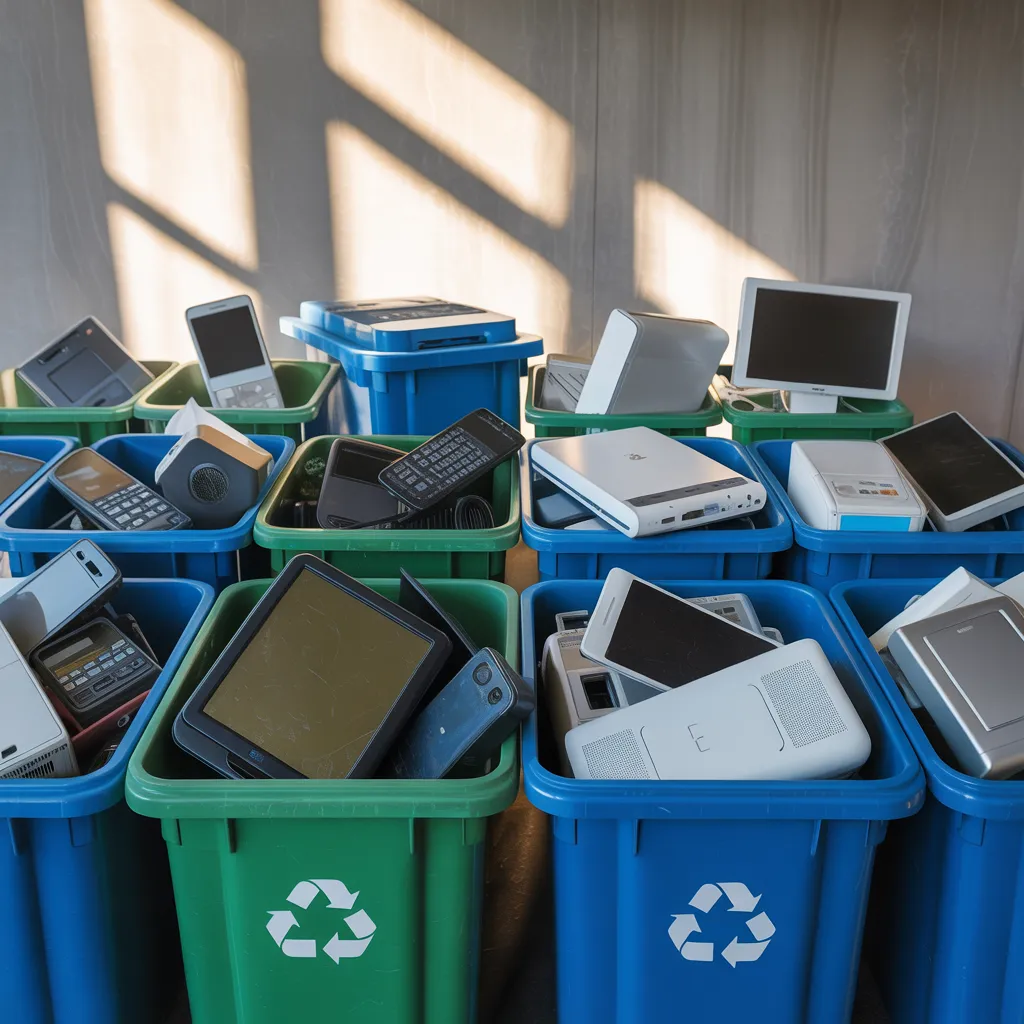
Key Things to Know About E-Waste
E-waste, or electronic waste, refers to discarded electrical and electronic devices, and recognizing its significance is crucial in today's technology-driven world. The swift development of technology has caused a considerable surge in e-waste accumulation, with vast quantities measured in millions of tons created every year. This waste often contains hazardous materials such as lead, mercury, and cadmium, creating substantial environmental and public health dangers if not disposed of correctly.
Additionally, precious elements like rare earth metals, gold, and copper are contained in these electronic devices, which can be reclaimed through recycling methods. Despite this, a considerable amount of electronic waste is deposited in landfills, worsening environmental pollution and resource loss. Knowledge about appropriate waste disposal techniques and the importance of recycling can mitigate these issues, supporting a more environmentally responsible strategy for technology utilization. Grasping electronic waste is necessary for cultivating conscientious behaviors and supporting successful recycling programs within communities.
Your Initial Steps to E-Waste Recycling
Making the effort to recycle e-waste can greatly impact environmental health and individual responsibility. To start, one should take stock of their unused or damaged electronic devices, organizing devices such as smartphones, laptops, and printers. This approach assists in determining the quantity of electronic waste that must be managed. Additionally, looking into local recycling initiatives is essential. A variety of communities host specific drop-off sites or organized collection events for e-waste.
Users should also familiarize themselves with what can and cannot be recycled, as guidelines vary by location. After locating appropriate recycling programs, wrapping the items properly for transit ensures their safety and reduces the risk of damage. Lastly, one should monitor the recycling process, ensuring that qualified recyclers are responsible for handling the e-waste. Through following these key measures, people help build a greener tomorrow while responsibly managing their electronic waste.
The Environmental Impact of E-Waste Recycling
Frequently overlooked, the environmental impact of e-waste recycling is deep and wide-reaching. Proper e-waste recycling helps prevent hazardous materials, such as mercury, lead, and cadmium, from polluting soil and water supplies. Such hazardous materials can cause severe health risks for people and wildlife alike. By recycling, critical raw materials like copper, silver, and gold are recovered, minimizing the reliance on mining and reducing the total carbon footprint associated with resource extraction.
Furthermore, proper e-waste recycling reduces landfill consumption, where breaking down electronics discharge dangerous chemicals. It fosters a circular economy by promoting sustainable practices, inspiring manufacturers to develop recyclable product designs. Furthermore, recycling helps lower greenhouse gas emissions by cutting energy use relative to manufacturing new materials. Ultimately, the environmental advantages of e-waste recycling emphasize its essential function in cultivating a healthier planet and securing responsible oversight of electronic resources.
Economic Benefits of E-Waste Recycling
E-waste recycling provides considerable economic benefits, particularly through workforce development and resource reclamation. Through the development of recycling centers, communities can generate employment opportunities while advancing environmentally responsible methods. Furthermore, extracting useful resources from discarded electronics reduces the need for new resource extraction, contributing to significant reductions in expenditure.
Work Creation Possibilities
Repurposing e-waste not only resolves ecological challenges but also functions as a powerful engine for job development. The e-waste recycling industry generates a variety of employment opportunities, ranging from collection and sorting to processing and refurbishing electronic devices. As the need for eco-friendly methods increases, this industry is developing rapidly, calling for qualified professionals in technology, engineering, and supply chain management. Regional economies gain advantages as employment opportunities frequently emerge in communities with elevated joblessness, promoting neighborhood advancement. Furthermore, businesses involved in e-waste recycling can stimulate innovation and entrepreneurship, fostering a circular economy. By supporting e-waste efforts, governing bodies and enterprises not only champion environmental responsibility but also bolster economic stability through valuable work opportunities.
Resource Retrieval Savings
The e-waste recycling industry not only creates jobs but also offers significant economic advantages through resource recovery savings. By recovering precious materials including gold, silver, and copper from obsolete electronics, recycling reduces the demand for raw resource extraction, which is often costly and environmentally damaging. This process lowers production costs for manufacturers, ultimately leading to reduced prices for consumers. Additionally, the energy savings associated with recycling e-waste can be substantial, decreasing operational costs for businesses and improving overall economic efficiency. Beyond this, as worldwide demand for electronic products keeps growing, effective material recovery from e-waste grows ever more critical for maintaining supply chains and strengthening economic resilience. Therefore, e-waste recycling is a prudent investment for both the economy and the environment.
Where You Can Recycle Your Old Electronics
Unsure about where to recycle your obsolete electronic devices responsibly? A wide range of choices can be found for recycling used gadgets, guaranteeing both ecological safety and the recovery of valuable materials. Community recycling hubs commonly welcome numerous types of electronic devices, including computers, phones, and televisions. Many municipalities also host periodic e-waste collection events, offering an easy and accessible method for community members to dispose of electronics responsibly.
Well-known retailers including Best Buy and Staples offer take-back programs, allowing customers to return old electronics when purchasing new ones. A number of manufacturers have established mail-in recycling initiatives, allowing customers to ship their old electronics straight to dedicated recycling centers. Non-profit organizations may also accept donations of functioning electronics, prolonging the usable life of these devices while benefiting community programs.
Dispelling Common Misconceptions About E-Waste Recycling
Despite the common belief that e-waste recycling is inadequate, the reality is that effectively run operations can substantially decrease environmental harm. A popular misunderstanding is that e-waste winds up Read the article in landfills regardless of recycling efforts. In truth, credible recycling operations reclaim important components and safely dispose of hazardous components.
A common misconception claims that electronic recycling is overly complex or expensive. However, numerous local initiatives provide free drop-off locations, allowing everyone to participate with ease. Some also provide convenient pickup options.
Additionally, some people mistakenly believe that every piece of e-waste is recyclable, but not all items can be recycled owing to the specialized components they are made of. Knowing your local recycling rules is key.
To conclude, many believe that e-waste recycling has no impact on job creation. The truth is, the recycling industry supports thousands of employment opportunities, benefiting the economy while encouraging environmental sustainability. By debunking these myths, people can make informed choices about e-waste recycling.
Questions We Often Receive
Can I Recycle Batteries With My E-Waste?
Batteries must not be disposed of alongside e-waste. Separate handling is necessary owing to the dangerous materials within them. Proper disposal options include specific recycling centers or collection events designed for batteries, ensuring safe and environmentally friendly processing.
What Becomes of My Data When It Is Recycled?
When recycling devices, data stored on devices may be at risk without proper erasure. Reputable recycling facilities employ advanced techniques to confirm thorough data removal, protecting sensitive data from potential recovery or misuse.
Are E-Waste Recycling Practices Governed by Law?
Electronic waste recycling is subject to a range of laws and regulations that differ by country and region. Such regulations are designed to ensure safe disposal, protect the environment, and effectively manage hazardous materials throughout the recycling process.
Is There a Fee for Electronics Recycling?
Many electronic waste recycling centers may assess charges for processing certain items, with particular attention to particular types like monitors or televisions. That said, some locations offer recycling at no cost, commonly financed through manufacturer programs or community initiatives advocating for responsible disposal.
How Can I Promote E-Waste Recycling in My Community?
To advance e-waste recycling throughout the community, one can coordinate awareness campaigns, partner with local businesses to organize drop-off events, and use social media to spread helpful content about the benefits to the environment and responsible disposal practices.